VoltArb Blog
Crypto arbitrage, explained
Learn how spreads, funding and execution fit together. Use the guides to understand a setup, then check the market in the tools.
How we prepare articles- Articles
- 21
- Topics
- 4
- Article languages
- 11
In focus
New guides and a data case study
01 Library
Start with the mechanics
Understand how arbitrage works, compare strategies and learn to read the scanner before evaluating a trade.
How to Earn on Crypto Arbitrage in 2026 (Step by Step)
A practical 2026 guide to crypto arbitrage: three methods, worked dollar examples, VWAP sizing, first-trade checks, costs, journal, and tools.
Read
VoltArb Guide: Spread Scanner and Funding Rates
Read scanner rows, use free Funding Rates in Table and Heatmap views, understand Pro Arbitrage and Watchlist, and check execution costs.
Read
Crypto Arbitrage in 2026: Five Strategies, Costs and Risks
Five arbitrage structures explained with educational calculations: spreads, execution costs, funding payments, margin and the checks before a trade.
Read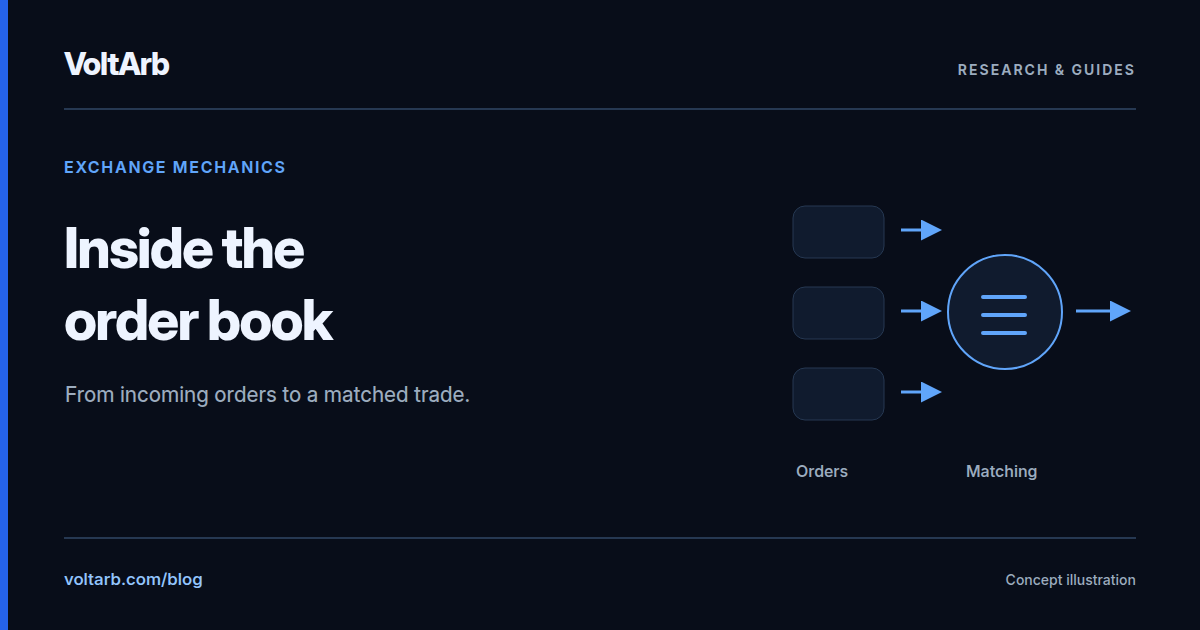
How Crypto Exchanges Work: The Mechanics Behind the Price
Understanding exchange mechanics is the foundation of arbitrage. Learn matching engines, fee structures, and why prices differ across platforms.
Read
How to Trade Each Arbitrage Type: Step-by-Step Guide
From spot-futures to triangular arbitrage — a practical execution guide for each strategy type with entry criteria, sizing, and exit rules.
Read02 Library
Funding and hedged positions
Who pays whom, how exchange intervals differ and how funding fits into a two-leg position.
Explore Funding in VoltArb
Funding Rate History: How to Check a Differential’s Stability
Read VoltArb funding-pair history: 8-hour normalization, shared observation windows, mean, median, positive intervals, sign changes and coverage.
Read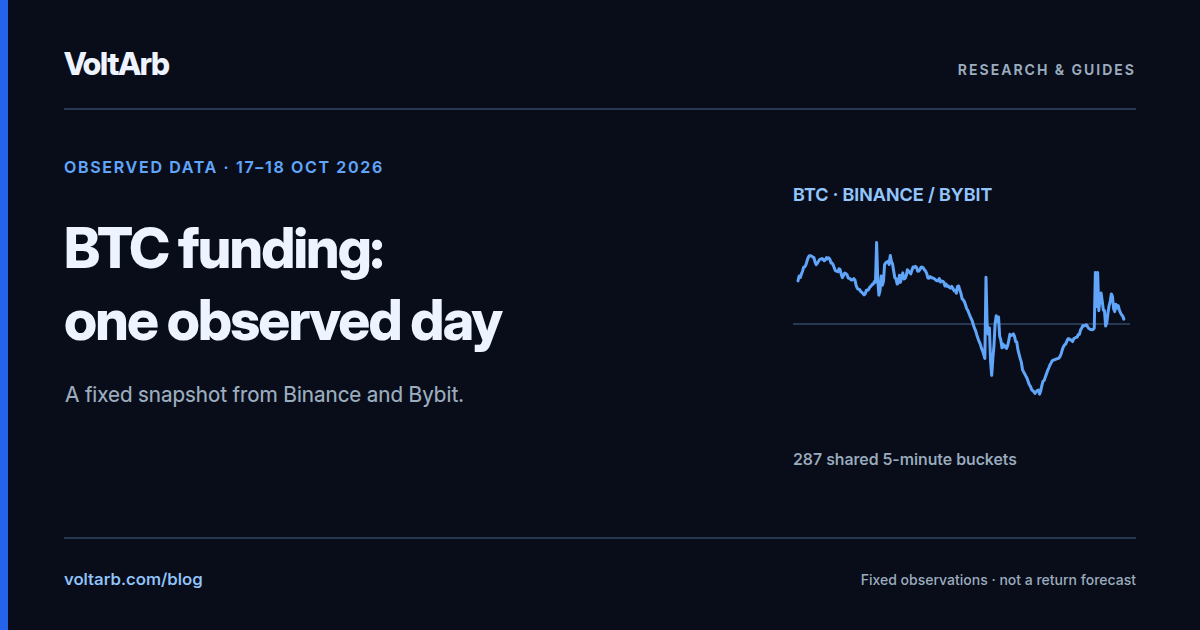
BTC Funding Case Study: 287 Shared Intervals on Binance and Bybit
A reproducible VoltArb snapshot from 17–18 October 2026: observed BTC funding differences, eight sign changes, source data and calculation limits.
Read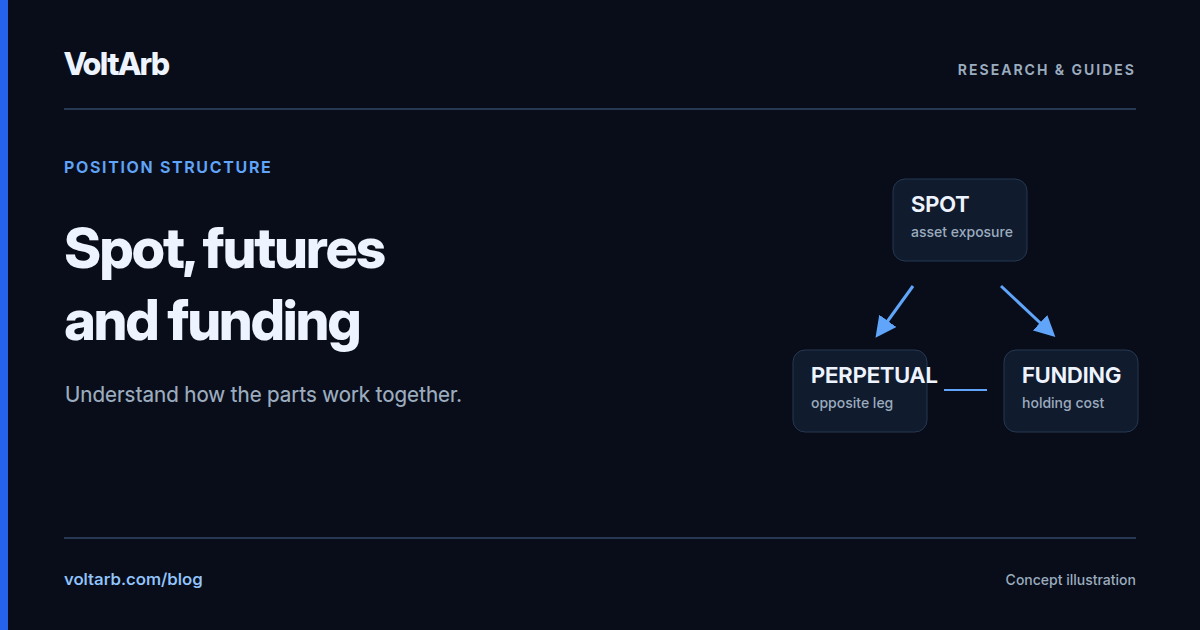
Arbitrage Bundles: Spot, Futures and Funding Together
A practical guide to crypto arbitrage bundles combining spot, perpetual futures, funding rates, fees, slippage and risk controls with worked examples.
Read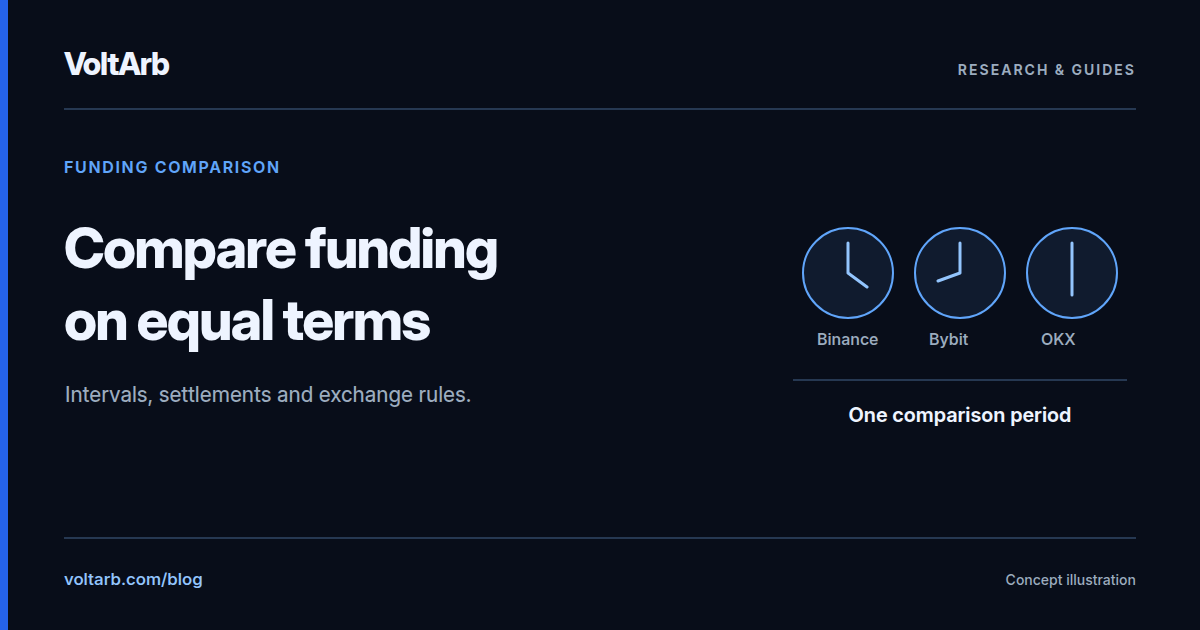
Funding Arbitrage: Compare Binance, Bybit and OKX
Compare Binance, Bybit and OKX funding intervals, payment direction and full two-leg costs. Includes an educational example and official sources.
Read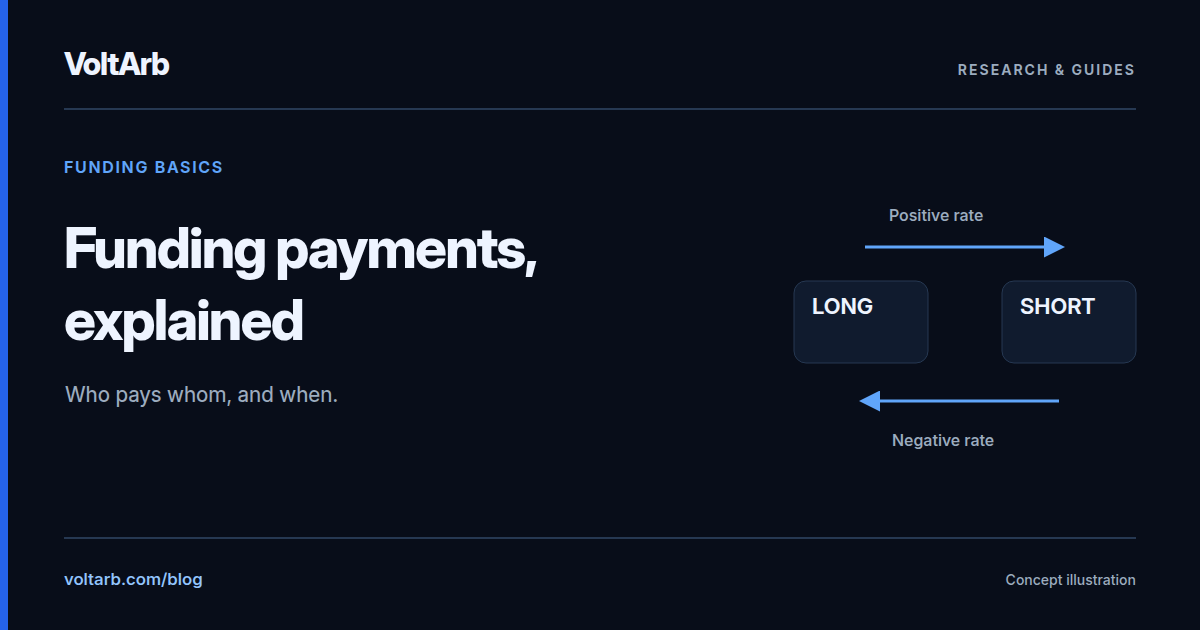
Funding Rate Arbitrage: Payments, Worked Examples and Risks
Understand funding signs, settlement intervals and payments on matched positions, with worked examples and the costs that can outweigh the funding received.
Read03 Library
Execution and risk
Check order-book depth, slippage, margin and transfer conditions when estimating the cost of a trade.
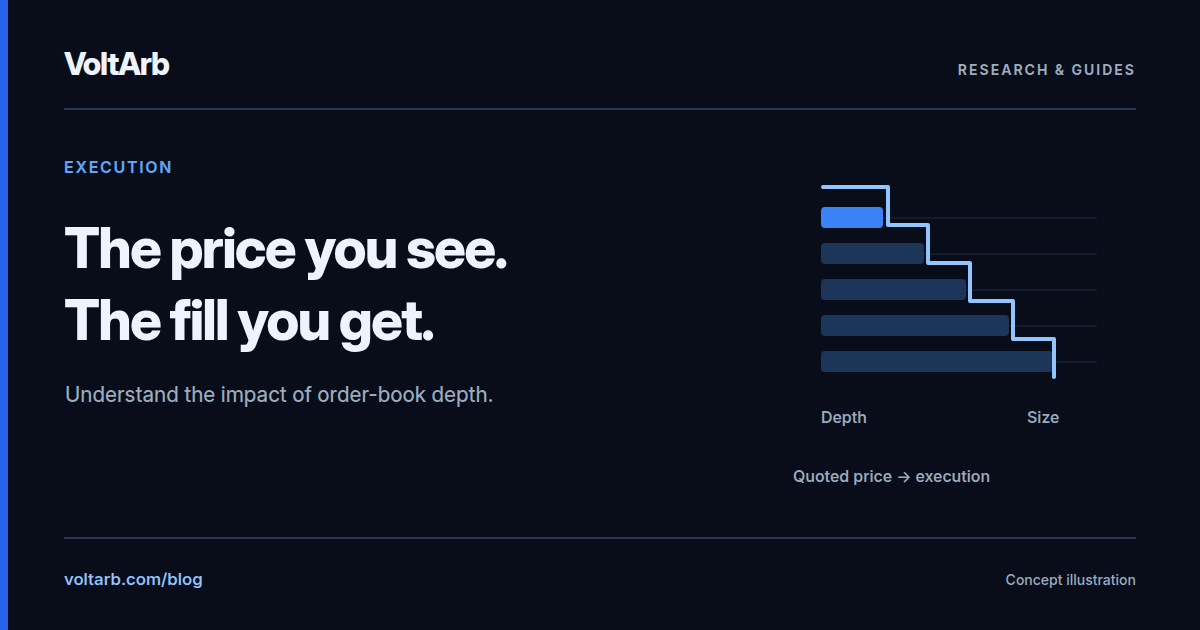
Slippage Explained: Why Your Spread Is Not Your Profit
Slippage silently eats your arbitrage profits. Learn what it is, why it happens, and how to calculate your real net gain before entering any trade.
Read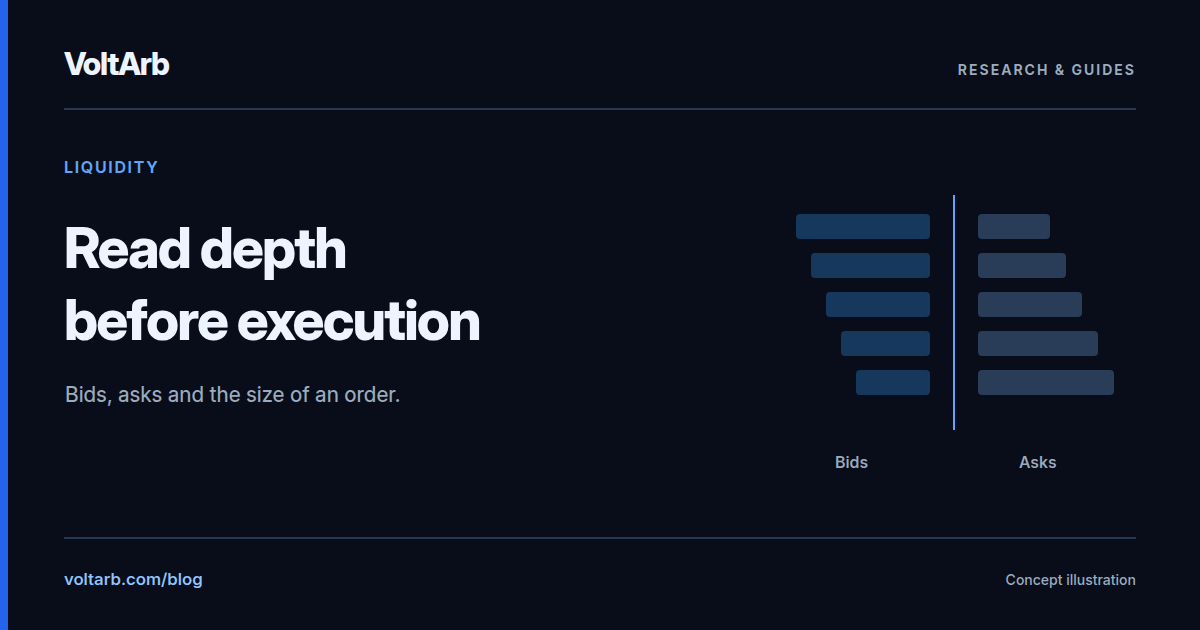
Order Books Explained: Reading Liquidity Like a Pro
Order books reveal the true cost of entering and exiting trades. Master bid-ask spreads, depth, and slippage estimation before you trade.
Read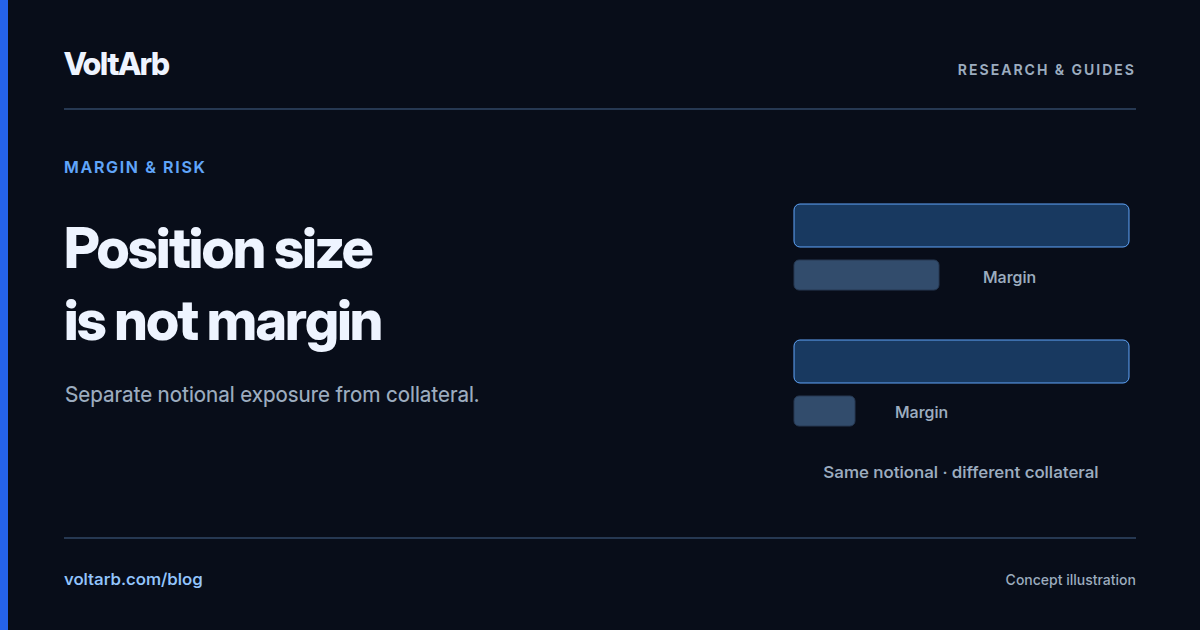
Leverage in Crypto Arbitrage: Margin and Liquidation Risk
How notional size, initial and maintenance margin affect liquidation risk, why an exchange hedge cannot pool collateral, and why 5x is not a safety guarantee.
Read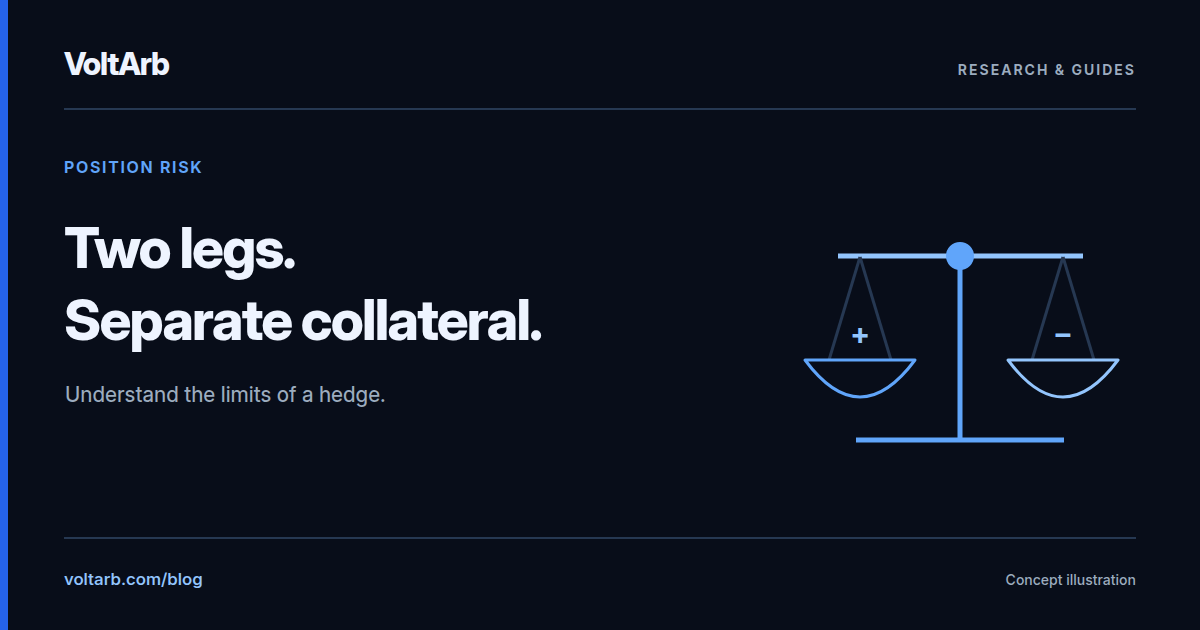
Hedging in Arbitrage: Staying Delta-Neutral
Hedging can reduce directional exposure in arbitrage positions. Learn delta-neutral strategies, hedge ratios, rebalancing and the risks that remain.
Read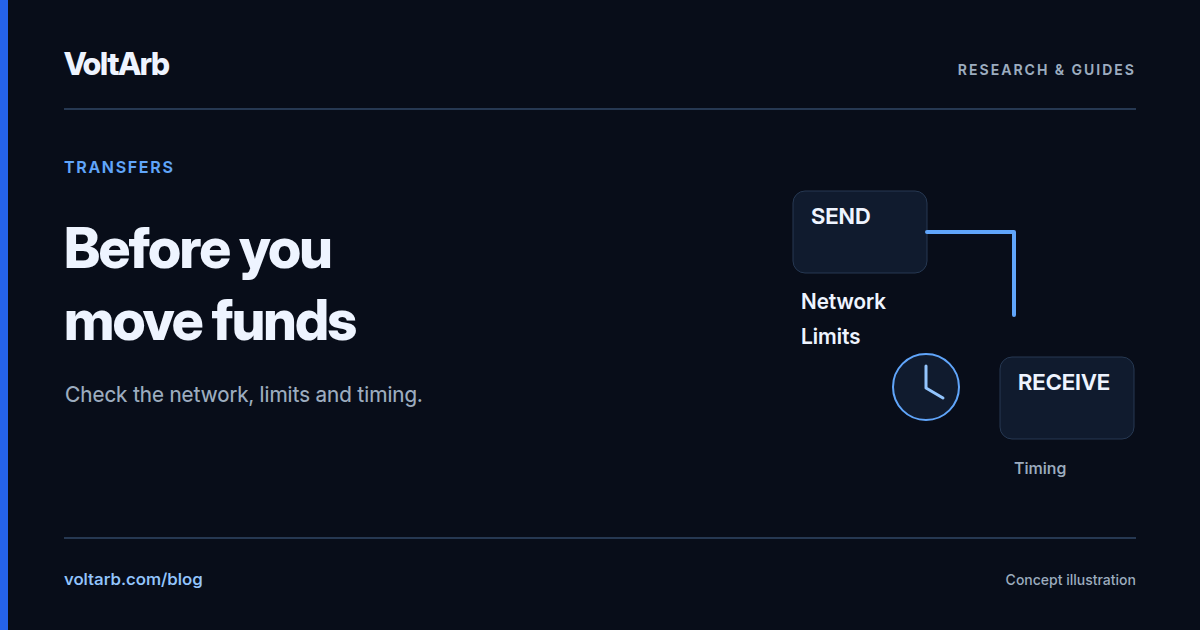
Deposit & Withdrawal Traps: Hidden Costs That Kill Arbitrage
Network fees, withdrawal limits, and processing delays can wipe out arbitrage profits. Know the traps before moving funds between exchanges.
Read04 Library
Market moves and exchanges
Read price moves and exchange events, then compare venues, contract types and pricing methods.
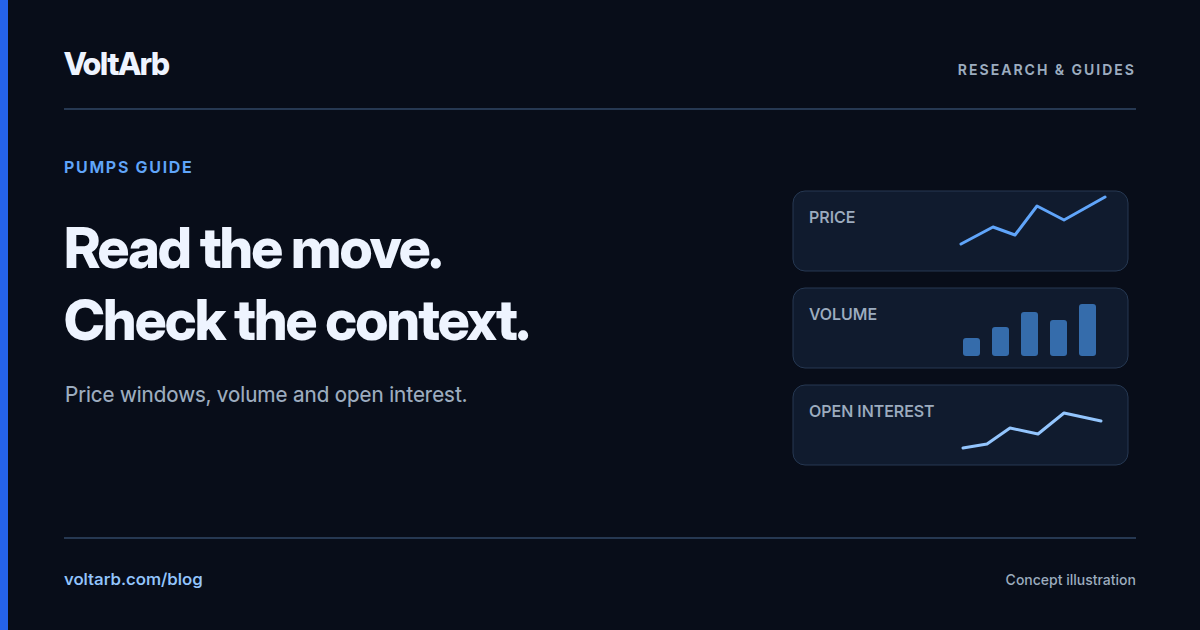
How to Read a Crypto Pumps Screener: Price, Volume and Open Interest
A practical VoltArb Pumps guide: compare 5-minute, hourly and daily moves, align open interest, recognize partial history and check a detected event.
Read
Exchange Listings and Delistings: Check the Market and the Timeline
Read an exchange announcement, separate trading and transfer deadlines, identify the exact market, and check available quotes with VoltArb.
Read
TradFi Arbitrage: Tokenized Stocks, Oil & Indices on Crypto CEXes
How tokenized stocks, oil, indices and metals on crypto venues differ from brokers, how basis and D/W work, and how VoltArb tags TradFi routes.
Read
Best Exchanges for Crypto Arbitrage in 2026
Which CEX pairs work for spot, futures, and funding-rate arbitrage: liquidity, fees, deposit/withdrawal reliability, API quality, and custody risk.
Read
DEX vs CEX Arbitrage: Key Differences and Opportunities
Decentralized and centralized exchanges create unique arbitrage opportunities. Understand the mechanics, risks, and execution differences.
Read
Fair Price and Market Median: Reading Price Deviations
Understand VoltArb’s median reference, compare bid and ask quotes, distinguish mark and index prices, and check whether a price deviation is executable.
ReadFrom mechanics to markets
Explore the market in the tools
Worked examples explain the mechanics. Explore current conditions in the scanners and verify them on your chosen exchange.
Arbitrage scanner
Compare price spreads across venues, then check the order books and transfer conditions.
Open the scannerFunding rates
Compare rates on a common 8-hour basis and check each contract’s actual payment interval.
Open FundingPrice moves
Explore price changes across time windows alongside volume, funding and available open-interest data.
Open Pumps